
Home Home Home
Home Home Home
Search Search
  • SHOP
  • DONATE
  • myGS myGS myGS
  • Find a Council Find a Council Find a Council
  • Español Español Español
  • Search Search
  • Discover Discover

    About Us About Us

    • What Girl Scouts Do What Girl Scouts Do
    • The Family Experience The Family Experience
    • Girl Scout History Girl Scout History
    • Research and Data Research and Data
    • Diversity, Equity, and Inclusion Diversity, Equity, & Inclusion

    Activity Zone Activity Zone

    • Explore Girl Scouts Explore Girl Scouts
    • Grade Levels Grade Levels
    • National Service Projects National Service Projects
    • Virtual Events Calendar Virtual Events Calendar

    Our Stories Our Stories

    • Girl Scout Stories Girl Scout Stories
    • Alum Stories Alum Stories

    Discover Girl Scouts. Learn what Girl Scouts do; about our history, research and data; and about family involvement, or try Girl Scout activities!

  • Get Involved Get Involved

    All About Girl Scouts All About Girl Scouts

    • Join a Troop Join a Troop
    • Find Events Find Events
    • The Benefits of Girl Scouting The Benefits of Girl Scouting

    Volunteer With Us Volunteer With Us

    • Start a Troop Start a Troop

    Alums Alums

    • Beyond Ambassadors Beyond Ambassadors
    • Campus Girl Scouts Campus Girl Scouts
    • Noteworthy Alums Noteworthy Alums

    Learn how to get involved with Girl Scouts. Join a troop, find events, become a volunteer, or discover alum opportunities.

  • Cookies Cookies

    Buy Girl Scout Cookies Buy Girl Scout Cookies

    • Frequently Asked Questions FAQs

    Cookie Flavors & Nutrition Info Cookie Flavors & Nutrition Info

    About Girl Scout Cookies About Girl Scout Cookies

    • Cookie History Cookie History

    Find out how to buy Girl Scout Cookies, explore Girl Scout Cookie flavors, see how girls learn essential life skills, and more.

  • Support Us Support Us

    Donate Donate

    • Individual Giving Individual Giving
    • National Trefoil Society National Trefoil Society
    • Lifetime Membership Lifetime Membership
    • Our Partners Our Partners
    • Planned Giving Planned Giving

    Advocacy Advocacy

    • Girl Scout Advocacy Center Girl Scout Advocacy Center
    • Policy Agenda Policy Agenda
    • Gold Award Recognition Gold Award Recognition
    • Community Champions Community Champions

    Support Girl Scouts by donating nationally or to your local council, becoming a lifetime member, and advocating for girls.

  • Members Members

    For Girl Scouts For Girl Scouts

    • Badges, Journeys, & Awards Badges, Journeys, & Awards
    • Ways to Participate Ways to Participate
    • For Cookie Sellers For Cookie Sellers
    • Uniforms Uniforms
    • Renew Your Membership Renew Your Membership

    For Parents & Families For Parents & Families

    • Raising Awesome Girls Raising Awesome Girls
    • Family Connection Family Connection
    • Cookie Entrepreneur Family Pin Cookie Entrepreneur Family Pin

    For Volunteers For Volunteers

    • Girl Scout Experience Box Girl Scout Experience Box
    • Volunteer Cookie Resources Volunteer Cookie Resources
    • Troop Year Planner Troop Year Planner
    • Tips for Troop Leaders Tips for Troop Leaders
    • Renew Your Membership Renew Your Membership

    Resources for Girl Scout members. Find volunteer, Girl Scout, and family tools and support. Explore badges, activities, and more.

  • SHOP
  • DONATE
  • myGS myGS myGS
  • Find a Council Find a Council Find a Council
  • Español Español Español
  • Search Search

Council Finder

Use this finder to connect with your local Girl Scout council.

By ZIP Code

By State

By Council

close
  1. Tips for Troop Leaders
  2. Working with Girls and Families
  3. Handling Kids’ Food Allergies in Your Girl Scout Troop
 Brownie activities done virtually.

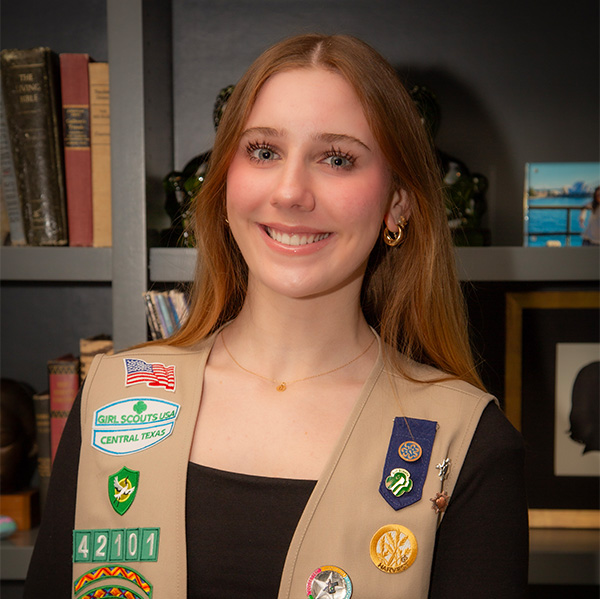
By Gretchen E., Gold Award Candidate 

Unless it impacts you or someone in your family, you may not know much about food allergies. I’ve been a Girl Scout since Kindergarten and I have a severe peanut allergy. I’ve had several accidental exposures that were preventable if people understood more about food allergies. I’ve decided to focus my Gold Award Project on growing knowledge and understanding about food allergies. I interviewed my troop leader for suggestions on how she handles a troop member with a food allergy. Here are 6 tips to make sure you create a safe environment for Girl Scouts and all kids with food allergies:

Ask about food allergies

Ask your troop members and families if anyone has a food allergy. This is often a forgotten step but should be done as a troop is formed or if someone new joins.

Talk with the parent or caregiver about possible reactions and how to recognize signs of anaphylactic shock. Learn what type of medication will be available during troop events and activities and learn how to use any epinephrine devices if applicable. Take time to educate yourself. There are so many resources available [link to https://www.foodallergy.org/resources].

Decide your strategy

Decide how you will handle the allergy for your troop. A decision to consider is whether you will avoid the allergen altogether. For example, you could decide as a troop to become peanut free. This is not a decision the troop leader has to make alone and should include a discussion with the parent or guardian of anyone who has an allergy.

Agree with any other troop leaders or involved parents to be consistent in your approach on handling food allergies at snack times, while camping, at parties, and other occasions.

Overcommunicate the allergy

Let all parents and troop members know someone in the group has an allergy. The point here is not to single someone out, it is to keep everyone safe.

If you have an event or activity where food is involved, make sure to remind everyone about the allergy. If someone is bringing in homemade food, require them to label with all ingredients. For store bought food, labels should be kept and displayed. If the troop decides to exclude the allergen, it is often up to the troop leader to review any food involved.

Educate the troop about the allergy

This is a great chance to teach the troop about food allergy best practices, like washing hands after eating, not sharing foods, and using clean utensils and cooking areas to prepare foods. Consider leading the troop through the Food Allergy Awareness Girl Scout Patch available through FARE [link to: https://www.foodallergy.org/our-initiatives/awareness-campaigns/food-allergy-awareness-girl-scout-patch].

Revisit and Remind

Revisit your approach over time as the kids grow up and become more responsible. Increased independence means you might have less control over who eats what when. New people who get involved with the troop may be less experienced and you may need to re-educate.

Avoid Cross Contact

Cross contact is when the allergen mixes with food that does not contain the allergen. Cross contact is an easy way to cause a reaction from an allergy because the amounts can be so small you can’t see them. There are 2 types of cross contact to avoid and this is especially important to discuss with anyone bringing in food prepared at home:

  • Direct – for example if croutons were added to a salad then taken out.
  • Indirect - A cooking utensil, hands, or a food-preparation surface that has or had the food you are allergic to on it is used to prepare food. For example, it is not enough to wipe off a knife that was used to make a peanut butter and jelly sandwich if you are trying to avoid peanuts. The knife should be washed with soap and water.

Having a troop member with a food allergy can seem intimidating at first. With a little education and discussion as a troop you can create a safe space for a Girl Scout with a food allergy.
Self-Care for Troop Leaders

Demonstrate to your girls how to balance life and be your best self.

Let Your Troop Take the Lead

How to make the most of Girl Scouting's girl-led approach.

Explore the Great Outdoors

Whether you live in the suburbs or the big city, getting outside is a must.

JOIN
VOLUNTEER
DONATE

  • Instagram
  • Twitter
  • LinkedIn
  • Youtube
  • Pinterst
  • Facebook
  • Blogger
  • Contact Us
  • Visit Us
  • Careers
  • Leadership
  • Schools
  • Scholarships
  • Sustainability
  • Financials
  • Faith
  • Terms and Conditions
  • Privacy Policy
  • Frequently Asked Questions
  • Press
  • Blog
  • Manage Email Preferences

Join

Volunteer

Donate

close